
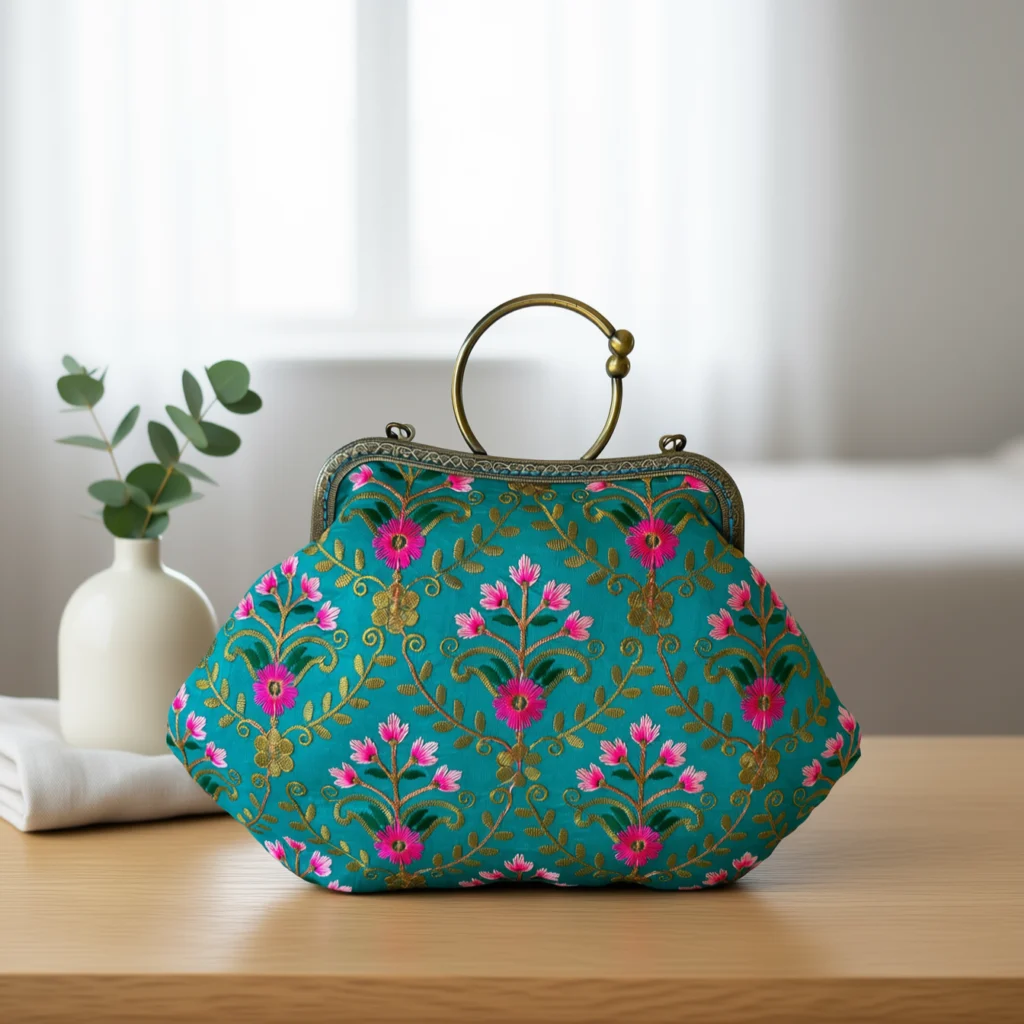
Vintage Handbags: Timeless Style, History, and the Beauty of the Past


7
There is something wonderfully personal about a vintage handbag. Unlike a modern accessory designed to follow a seasonal trend, a vintage bag carries the character of another era. Its worn leather, metal clasp, careful stitching, and distinctive shape can tell a story even when its original owner is long forgotten.
Vintage handbags are more than fashion accessories. They are small pieces of social and design history—and today they are once again becoming highly desirable among collectors, fashion lovers, and anyone looking for an accessory with personality.
The Golden Age of the Handbag
The 1940s and 1950s were particularly important decades in handbag design. During the Second World War, shortages of materials encouraged designers and home makers to create practical bags using available fabrics, plastics, wood, and other substitutes. Larger shoulder bags and functional designs became increasingly popular.
After the war, fashion became more decorative and glamorous. The 1950s brought structured handbags with short handles, elegant frames, polished hardware, and rich leather. Bags were often designed to complement a woman's complete outfit, including her shoes, hat, and clothing.
8
What Makes a Vintage Handbag Special?
One of the most attractive features of a vintage handbag is its construction. Older bags often have a surprisingly solid structure, with carefully fitted frames, sturdy handles, hand-finished details, and distinctive closures.
Common characteristics include:
- Top handles that give the bag a formal, elegant appearance
- Metal frames and kiss-lock closures
- Gold- or brass-tone hardware
- Rich shades of brown, burgundy, black, tan, and caramel
- Structured rectangular, rounded, or box-shaped silhouettes
- Decorative stitching, embossing, or tooled leather
- Small compartments and carefully organized interiors
The hardware can be particularly useful when dating a bag. Twist locks, kiss locks, pinch locks, and folding frames were prominent features of mid-century handbag design.
Leather and the Beauty of Patina


7
Leather is one of the most enduring materials found in vintage handbags. With age, good leather can develop patina—subtle changes in color, texture, and sheen that make each bag unique.
A few scratches or variations in color do not necessarily reduce the charm of a vintage bag. In many cases, these signs of use are exactly what give the piece its character.
A beautifully aged brown leather handbag, for example, can have a warmth that is difficult to reproduce in a brand-new accessory. The goal when collecting is often not to find a bag that looks untouched, but one whose age and condition tell an appealing story.
The Rise of Iconic Designs
The 1950s also saw the emergence of handbag designs that would influence fashion for decades.
In 1955, Chanel introduced the 2.55, a quilted bag with a chain strap that challenged the traditional expectation that women should carry handbags by hand.
Other fashion houses, including Gucci, Hermès, and Dior, also helped establish the handbag as an important luxury accessory. Gucci's bamboo handle, introduced in the post-war period, became one of the brand's recognizable design signatures.


6
How to Wear a Vintage Handbag Today
The beauty of vintage accessories is that they don't need to be worn with a completely vintage outfit.
A structured 1950s handbag can look striking with:
A simple modern outfit — Pair a brown or black vintage leather bag with jeans, a white shirt, and a tailored jacket.
A feminine dress — A small top-handle bag can emphasize the elegance of a classic dress without making the outfit look like a costume.
Neutral clothing — A burgundy, caramel, or tooled-leather handbag can become the focal point of an otherwise simple outfit.
Evening wear — Small vintage bags with decorative frames, beads, satin, or unusual hardware can add instant character to an evening look.
The secret is contrast: one beautifully chosen vintage piece can make a contemporary outfit feel completely individual.
Buying a Vintage Handbag
When searching for a vintage handbag, don't look only at the label. Examine the whole object.
Check the leather or fabric, the stitching, the lining, the handles, the hardware, and the closure. Look for signs of repair or damage, especially around the handle attachments and hinges.
The interior is also important. An original lining, old-fashioned compartments, labels, and construction details can help establish whether a bag genuinely belongs to a particular period.
And remember: age alone doesn't make a handbag valuable. Design, craftsmanship, rarity, condition, provenance, and brand can all influence its desirability.
Why Vintage Handbags Remain Timeless
Perhaps the greatest appeal of vintage handbags is their individuality.
Modern fashion can sometimes feel dominated by instantly recognizable trends. A vintage handbag offers something different: an object with history, imperfections, and a design that may no longer be produced.
A 1940s bag reflects a period of practicality and resourcefulness. A 1950s handbag captures the elegance and optimism of the post-war era. A beautifully worn leather purse can connect today's wardrobe with another generation.
That is why a vintage handbag is more than something you carry.
It is a piece of fashion history that you can carry with you.
Photo references shown above include vintage examples from historical and resale sources; individual listings are illustrative rather than endorsements.
Would you like the article styled as a luxury fashion magazine piece or a vintage-shopping/collector's guide?